How do I know if hail damaged my roof?
Look for dented gutters and vents, dark spots on shingles, and granules in the downspouts. Hail damage is often hidden from the ground, so have a local provider inspect the roof.
Roof Replacement Help in Frisco and the Frisco area
A storm can hurt a roof in minutes. Hail bruises shingles. Wind lifts them. Falling limbs punch holes. Some damage is easy to see from the yard. Some hides until the next hard rain.
Causedolder Roofing is a referral service. We do not do the roof work. We connect homeowners in Frisco and the Frisco area with independent local providers who handle storm damage repair, from temporary covers to full hail damage roof replacement. The provider inspects, explains what they find, and gives you a written quote. You decide what happens next. Availability varies by provider, so ask when you reach out.
Do not climb up. Walk the yard first. Ground check, roof check.
Look for shingle pieces in the grass. Look for dented gutters, bent vents and cracked siding. Check the ceiling inside for stains. Take photos of everything. Add the date.
A wet, windy roof is slick. Falls hurt more than leaks do.
Some jobs are fine from the ground or from inside the house.
That is the safe list. It is short on purpose.
Anything on the roof needs a pro. That means tarps, shingle fixes, flashing and checking for soft decking.
Pros have harnesses, ladders, and the training to use them. They also know what to look for. A DIY patch can trap water under it and make the damage worse.
Some damage is urgent. Treat it that way if you see any of these:
A temporary cover can hold things until the weather clears. Many providers can respond quickly for this kind of job, but availability varies, especially after a big storm.
Request a callback to check provider availability.
If a tree is on the roof, or you smell gas or see sagging, stay outside and contact local emergency services first.
Hail rarely punches through. It bruises. It knocks off the protective granules and cracks the mat underneath. The shingle then wears out faster.
Signs are dark spots, dents in vents, and dings on gutters or metal. Granules in the downspout are another sign. You may see nothing from the ground, so a pro look is worth it.
Heavy downpours and tropical storm wind hit hard in this region. Wind lifts edges first. Shingles curl, crease or blow off. Wind-driven rain then gets under what is left.
Brick and vinyl siding homes lose ridge caps and edge pieces most often. Older pier-and-beam houses may also show sagging or damp spots inside.
Hot, humid air grows mold fast. Wet insulation holds water for a long time. Dry what you can. Run a fan. Leave the attic work to someone with the right gear.
Photos of wet spots help your claim later.
A good inspection goes beyond the shingles. Ask the provider to check:
Get the findings in writing, with photos.
It depends on how much is hurt. A few lost shingles on a newer roof usually mean a repair. Hail damage across most slopes usually means hail damage roof replacement.
Other things push toward replacement: an old roof, shingles that no longer match, or soft decking. A repair on a worn-out roof may only buy a little time. Ask the provider to explain both options in plain words.
Some policies may cover sudden storm damage. Check your policy. Look at your deductible and any separate wind or hail terms.
Providers can often help document damage for a claim. They cannot decide what your insurer pays. Report the damage early, keep your photos, and keep every receipt.
After a storm, strangers knock. Some are honest. Some are not.
Be wary of anyone who pushes you to sign today, asks for full payment up front, or has no local address. Get a written quote. Take your time. Compare more than one.
A good provider answers without fuss.
The job is not done when the truck leaves. A few habits keep storm damage from coming back.
After each big storm, do a ground check. Clear gutters twice a year. Trim limbs that hang over the roof. Keep the attic vented, since summer heat bakes shingles from below. Book a pro inspection once a year, and again after any hard hail.
Small problems caught early cost far less than big ones.
A provider checks shingles, flashing, gutters and decking, then explains what they found in plain words.
Tarps or patches can hold back rain until proper work can start.
Providers can often help document damage with dated photos for your insurance claim.
Small fixes for light damage. Full hail damage roof replacement when most of the roof is hurt.
Prices vary by roof size, pitch, materials and how much is hurt. These are typical U.S. ranges only. Always ask for a written quote before work starts, and compare more than one.
| Item | Typical range | Notes |
|---|---|---|
| Roof inspection | $150 – $500 | Some providers include it with an estimate |
| Temporary tarp or cover | $300 – $1,500 | Depends on size and roof access |
| Small shingle repair | $150 – $1,000 | A few missing or creased shingles |
| Flashing or vent repair | $200 – $800 | Common leak point after wind |
| Larger section repair | $1,000 – $4,000 | May include some decking work |
| Hail damage roof replacement | $8,000 – $25,000 | Varies by size, material and local codes |
Stay off the roof. Take dated photos of shingles, gutters, siding and any ceiling stains.
Request a callback to check availability, or request an estimate through the form.
The provider checks the roof and gives you findings and a written quote.
Choose repair or replacement, then follow a simple upkeep routine to protect the work.
Causedolder Roofing connects you with local roofing contractors who know area weather and building codes.
You get a clear explanation of what was found and what each choice means.
Ask the provider for a written quote so you can compare options at your own pace.
Requesting an estimate is no obligation. You choose whether to move forward.
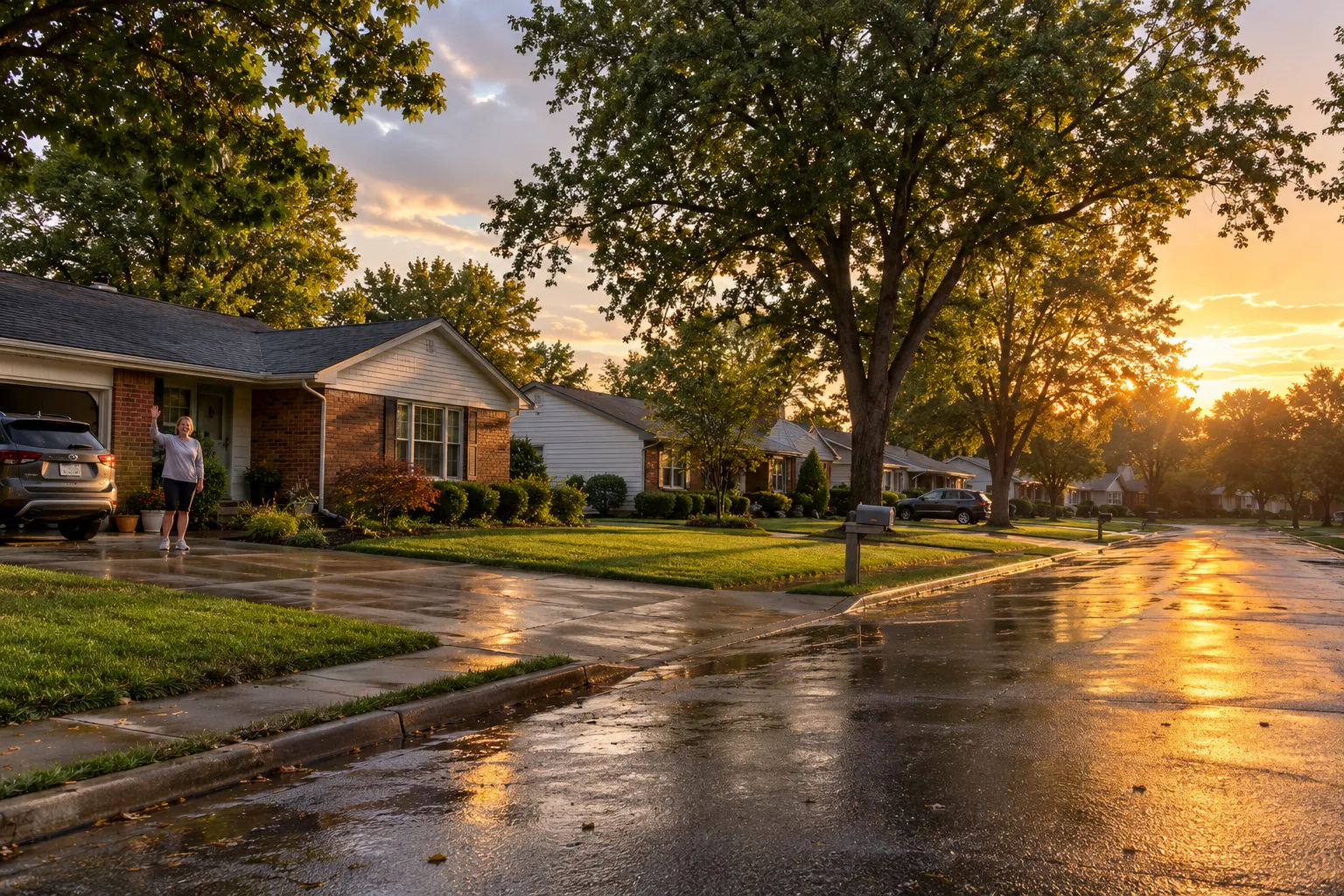
Roof leaking or worn out? Request a callback to check provider availability, or send the request form for a written estimate. No obligation.
No obligationLook for dented gutters and vents, dark spots on shingles, and granules in the downspouts. Hail damage is often hidden from the ground, so have a local provider inspect the roof.
No. Wet roofs are slippery and damage can hide weak spots. Check from the yard, take photos, and leave the roof work to a provider with proper safety gear.
Some policies may cover sudden storm damage, but terms and deductibles differ. Check your policy and report damage early. Providers can often help document the damage for a claim.
Roof leaking or worn out? Request a callback to check provider availability, or send the request form for a written estimate. No obligation.
No obligation